Jan 21, 2026
Do You Have to Wear a Lifejacket on a Boat?
Russell Lake


Do You Have to Wear a Lifejacket on a Boat?
Safety, Requirements, and Best Practices for UK Waters
Lifejackets are essential safety equipment for anyone venturing onto the water. Whether you're sailing, powerboating, or fishing, understanding when and why to wear a lifejacket could save your life.
But here's a question we're often asked: "Do you have to wear a lifejacket on a boat?" The short answer for UK waters is that it's not a legal requirement on recreational vessels, but the RYA strongly recommends wearing one unless you're certain it's safe to take it off.
About the Author
Russell Lake is an RYA Principal and founder of Sailing Course Online, based at Hamble Point Marina on the Solent. He sits on the RYA Training Committee and the British Marine Access to Boating Committee. Russell has trained personnel for the RYA and Maritime & Coastguard Agency, supported Clipper Round the World Race participants, and established Egypt's first RYA Training Centre. His offshore experience includes three RORC Fastnet campaigns as skipper and a circumnavigation of Britain by RIB. Over 50,000 students from 115 countries have completed courses through Sailing Course Online.
Learn more about our instructors
UK Lifejacket Requirements: What the Law Says
Unlike some countries, UK law does not mandate lifejacket wear on recreational boats. However, the Royal Yachting Association's official policy states: "Wear a lifejacket or buoyancy aid unless it is safe to take it off."
This means the decision rests with the skipper, who must assess conditions, crew experience, and the type of vessel. On RYA training courses, instructors decide when lifejackets are required based on weather, the activity, and crew competence.
When lifejackets are typically required:
- On deck at night
- In rough weather or when reefed
- When working on the foredeck
- Operating dinghies and tenders
- During man overboard drills
- When conditions change unexpectedly
Charter company requirements
If you're planning to charter a yacht abroad, charter companies will provide you with lifejackets for every person on board.
Some countries, particularly in the Mediterranean, have specific requirements for skippers to possess an International Certificate of Competence (ICC) to legally operate certain types of boats. The ICC serves as proof that the skipper has met internationally recognised standards of boating safety and competency.
Therefore, if you are planning to skipper a yacht abroad, especially in Mediterranean countries, you should be aware that holding an ICC and demonstrating knowledge of lifejacket use may be both a legal and safety requirement.
The RYA Day Skipper theory course covers safety equipment requirements as part of the seamanship module.
Why You Should Wear a Lifejacket
Legal requirement or not, there are compelling reasons to wear a lifejacket whenever you're on the water.
Increased Safety in Emergencies
Lifejackets keep you afloat and turn you onto your back with head above the water, in scenarios where you might unexpectedly end up in the water, such as capsizing, falling overboard, or during sudden storms. In emergencies, panic and cold-water shock can impair your ability to swim, making a lifejacket invaluable safety equipment.
Cold water shock is a particular risk in areas such as UK waters, where sea temperatures rarely exceed 17°C even in summer. The RYA's water safety guidance highlights that cold water can incapacitate even strong swimmers within minutes.
Prevention of Drowning
Drowning remains a leading cause of accidental deaths on the water. Lifejackets reduce the risk substantially by ensuring your body remains buoyant even if you are unconscious or exhausted. The buoyancy keeps your head above water, enabling you to breathe and wait for rescue.
Visibility in Rescue Situations
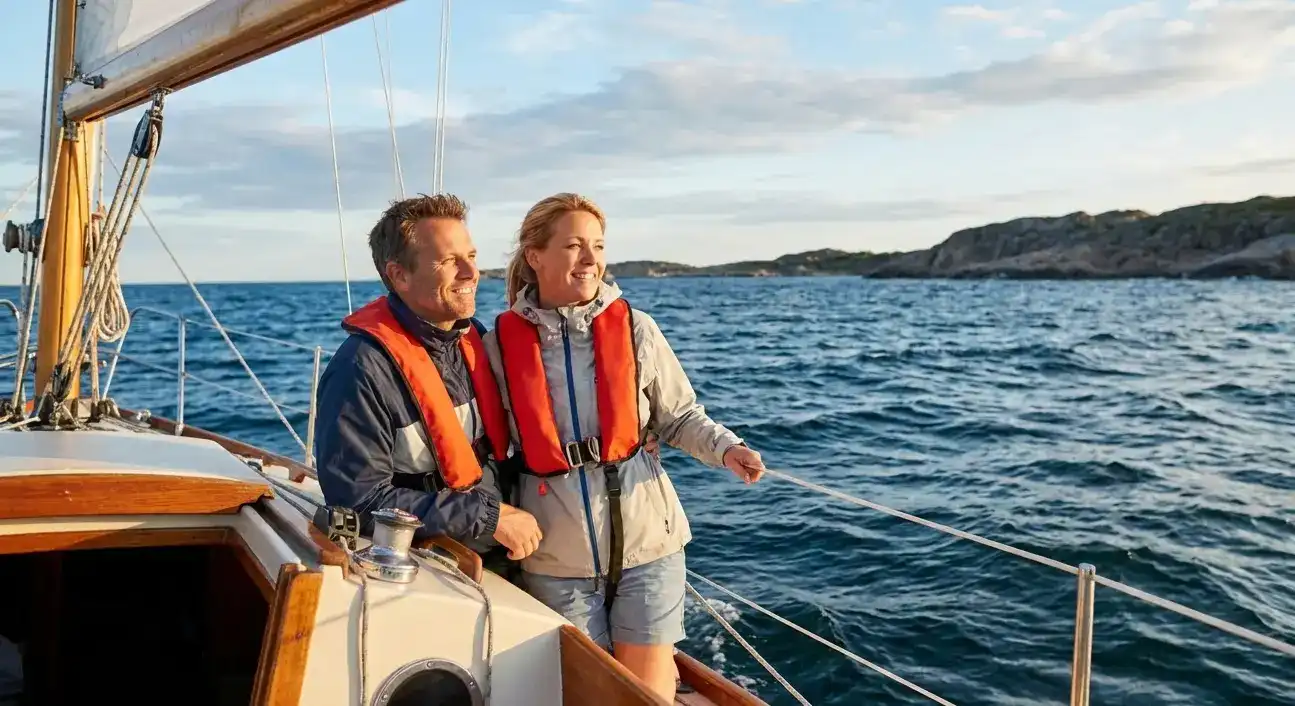
Modern lifejackets come with bright colours, reflective strips, and whistles, which increase your visibility to rescuers. Being easily spotted in the water can make the difference between a quick rescue and prolonged exposure to danger. Many are also equipped with a water activated flashing light which make it much easier to find you at night and they can be fitted with a personal locator beacon (PLB).
Essential for Non-Swimmers
Lifejackets are critical for anyone who cannot swim confidently. They eliminate the need to rely on swimming skills for survival and provide peace of mind for everyone involved in a water activity.
How Lifejackets Work
Lifejackets use buoyant materials like foam or inflatable chambers to displace water, keeping your body afloat. Importantly, they're designed to turn you onto your back to help keep your airway above the water.
Inflatable lifejackets either activate automatically on contact with water or by pulling a toggle to fill the jacket with CO2. Understanding how your lifejacket works is part of good seamanship, something covered in depth in the safety modules of the RYA Coastal Skipper/Yachtmaster theory course.
Choosing and Using Your Lifejacket
Fit and Comfort
A lifejacket should fit snugly but comfortably. It shouldn't be too loose, as it may slip off in turbulent waters, nor too tight, which can restrict movement. Adjustable straps and buckles ensure a secure fit.
Buoyancy Levels
Lifejackets come in different buoyancy ratings:
- Level 50 – Buoyancy aids for sheltered water where help is close
- Level 100 – For inshore use where rescue is likely to be quick
- Level 150 – General purpose offshore lifejackets
- Level 275 – For extreme offshore conditions or heavy clothing
For most yacht sailing in UK coastal waters, a 150N automatic lifejacket with a crotch strap and attachment point for a safety harness is the standard choice.
Regular Maintenance
Inspect your lifejacket periodically for wear and tear, including rips, punctures, or degraded foam. Inflatable lifejackets should be serviced according to the manufacturer's schedule, with CO2 cylinders checked and replaced as needed.
Practice Wearing It
Before heading into open water, practise putting on and adjusting your lifejacket. Familiarity with its design and features, such as the whistle or spray hood, can save precious seconds during an emergency.
Children and Lifejackets
Children should always wear a lifejacket when on deck, regardless of conditions. The RYA recommends that children wear properly fitted lifejackets at all times when on boats. Adult-sized lifejackets won't work for children, so ensure you have age and weight-appropriate equipment.
The Skipper's Responsibility
As skipper, you are responsible for the safety of everyone on board. This includes ensuring lifejackets are available, properly fitted, and worn when conditions require. The RYA Day Skipper practical course teaches these responsibilities alongside hands-on boat handling.
Good skippers assess conditions continuously and aren't afraid to call for lifejackets when circumstances change. As the saying goes: the best lifejacket is the one you are actually wearing when you need it.
Summary
While UK law doesn't require adults to wear lifejackets on recreational boats, the RYA's recommendation is clear: wear one unless you are certain it's safe not to. A lifejacket provides buoyancy, visibility, and peace of mind, making it essential equipment for anyone on the water.
Understanding when and how to use safety equipment is a core part of becoming a competent skipper. If you are working towards your Day Skipper qualification or planning your first bareboat charter, taking the time to understand lifejacket safety will serve you well.